Products News
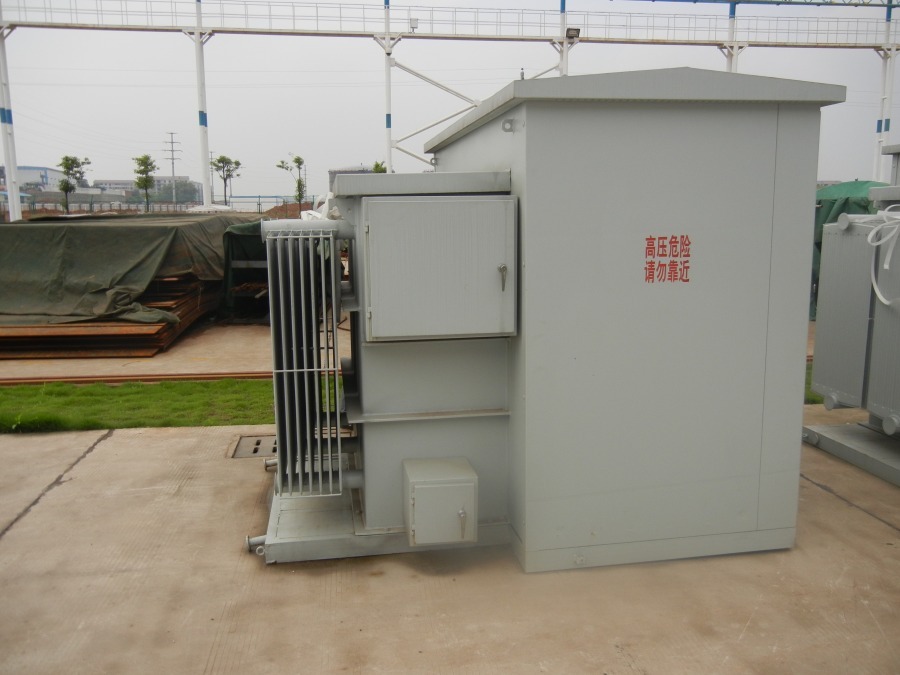
What Is a Substation Transformer?
What Is a Substation Transformer?
A substation transformer is an electrical device that serves a vital role in power grids by enabling electricity to be transmitted to homes and businesses. There are many different types of substation transformers, each serving a specific purpose in the power distribution process. Some are used to step up or down the voltage of electricity, while others serve to protect the equipment from overheating during long transmission over high-voltage lines.
Regardless of their differences, all substation transformers operate on the same basic principle. Two coils of conducting wire wrapped around an iron core generate magnetic fields when the current passes through them. The current causes the magnetic field to react with the immediately adjacent coil windings by causing them to induce an equal and opposite electric force (eMF) across them. The resulting energy exchange is what powers the transformer.
The type of substation transformer used depends on the needs of the power grid. Some transformers are used to step down the voltage of electricity from a power plant so that it can be distributed over longer distances. Other types are used to increase the voltage level of electricity so that it can be transferred over longer distances more efficiently.
There are also substation transformers that are designed to connect two power systems. In these cases, the transformers can act as a bridge between two different transmission lines to ensure that power flows in the correct direction. In addition, some substations may include equipment such as voltage control/power factor correction devices to adjust the amount of power that is supplied to each transmission line, and switchgear to allow lines to be connected or isolated for maintenance and fault clearance.
Most power substations are built in a variety of styles to accommodate different needs and conditions. These can range from the traditional, outdoor TS that are commonly seen in rural areas to the indoor TS found in civil works brick buildings or even the modern prefabricated enclosures.
Another consideration when designing a substation transformer is the environmental impact of the design and materials. This includes addressing issues like noise pollution and the safe handling and disposal of transformer oil. New technologies are advancing in this area, with research into more efficient and environmentally friendly designs.
In addition to the technology that has improved the performance of substation transformers, there are also new innovations being made to help them meet the challenges presented by renewable energy sources such as solar and wind power. For example, smart substation transformers are being developed that can monitor and communicate with other substation components in real time.
In the future, these smart transformers will be able to use this information to better manage their performance and keep the grid running smoothly. This will be possible through improvements in materials and designs that enable them to handle the increased variability of renewable energy sources.
Tags:amorphous transformer | pole mounted transformer | rmu transformer
0users like this.