Products News
What Is a Pole Mounted Substation?
What Is a Pole Mounted Substation?
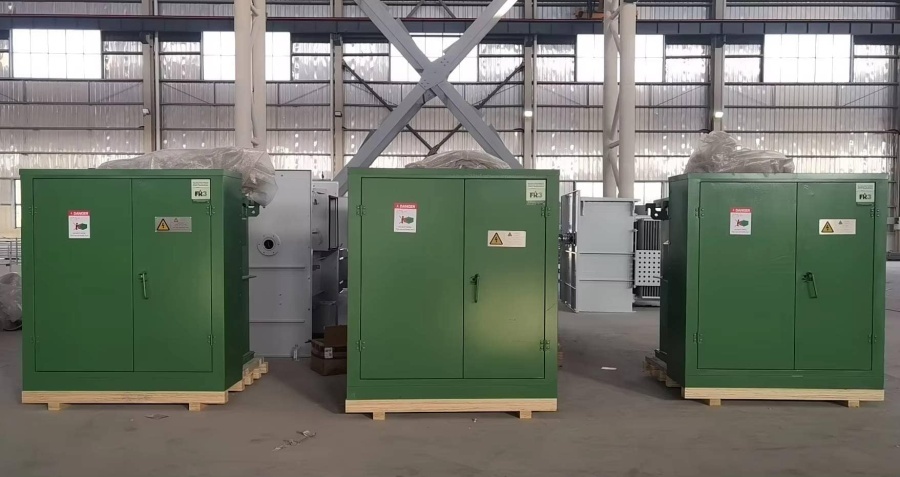
A pole mounted substation is an electrical power distribution point that uses a transformer to convert high voltages coming from the power plant into low ones to be used by residential customers.pole mounted substation These substations are usually found in rural or semi-urban areas. They are a cost-effective alternative to underground systems. They are also easier to install and maintain. They have a simple layout and an elevated structure, making them more accessible for inspection and maintenance. Moreover, their compact design helps them save space, which is a critical factor for cities with limited land availability.
The voltage that is generated by a power station increases to several hundred thousand volts before being reduced to 120/240 V in a power substation near your house.pole mounted substation These substations look like fenced-in lots dotted with gigantic transformers and insulators. This voltage is stepped down by a pole-mounted distribution transformer before being transmitted to your house through lengthy overland lines. The substation contains a transformer that steps down the voltage for safe use at local levels, as well as an oil circuit breaker and a gang isolator to protect it from lightning strikes.
Unlike the power transmission towers that carry electricity from the main grid to your house, pole-mounted substations do not require a building to be built.pole mounted substation This eliminates the need for extensive underground cabling, which can be expensive and inconvenient for city residents. This allows for more flexible power distribution systems while maintaining the aesthetics and functionality of urban infrastructure.
This type of substation also reduces the load on LV networks, reducing line power loss and voltage drop. It is ideal for distributing power to remote areas that are difficult to reach with conventional transmission and distribution infrastructure. It can also help bridge gaps in energy access for rural communities, which will lead to increased economic growth and development.
These substations are also more efficient than underground systems, delivering power to consumers quickly and reliably. In addition, they are less susceptible to flood damage, which can cause significant power outages in urban and suburban areas.
In order to ensure that these components remain resilient to floods and other environmental factors, the designers must make sure that they adhere to strict safety standards. This will keep them safe from potential hazards and reduce their vulnerability to weather conditions, vandalism, and theft. They should also schedule regular inspections and maintenance to ensure that these systems continue operating safely.
To improve the resilience of these structures, this study has quantified the effects of flooding on a typical EPN by evaluating the structural capacity through fragility and risk curves for different flood depths. It has shown that impact and damming effects of floating debris are the most important forces affecting the structure’s structural failure probability. These findings suggest that incorporating these parameters into the structural design of pole-mounted substations can significantly enhance their flood resilience. Furthermore, the results of this study will contribute to developing more accurate models for assessing flood resilience in EPNs.
Tags:33kv substation | compact substation transformer | pole top transformer
0users like this.