
Products News
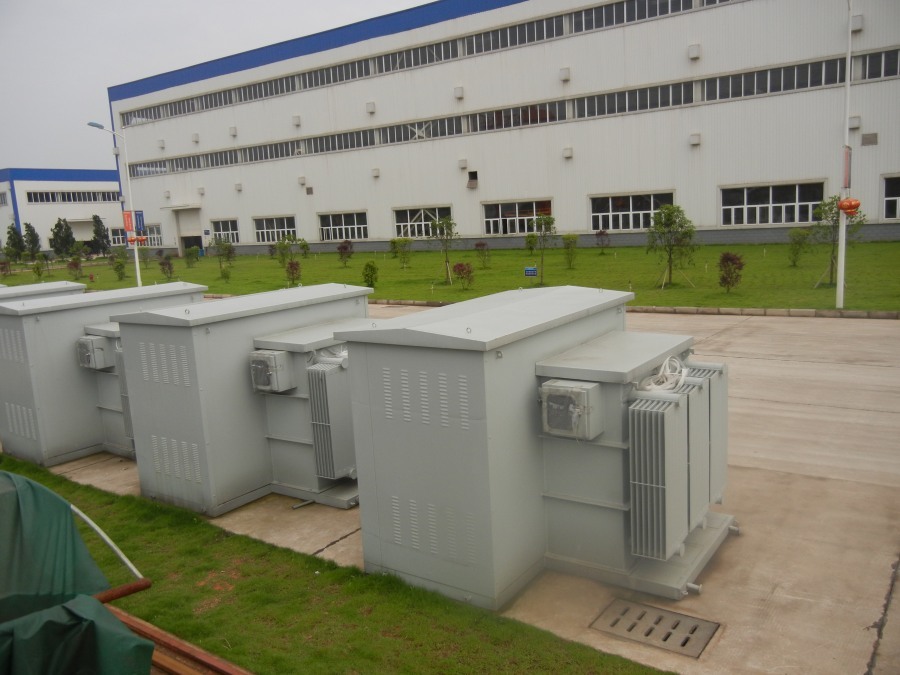
The Electrical Substation
The Electrical Substation
The electrical substation is an important part of our electricity system, gathering power from different sources and distributing it to local communities.electrical substation These sites are responsible for transforming voltage levels and switching electricity circuits, as well as managing the direction of power flow. With advanced designs and technologies, they play a vital role in our energy system.
A typical electrical substation consists of two or more buildings, and is usually situated in a remote location for safety reasons.electrical substation Its main functions include voltage transformation, power flow control and protecting equipment from lightning strikes.
It’s important to note that these sites are not open to the public. They are fenced off to protect the general public from the high levels of electricity they house, as well as from vandalism. They also feature signs that carry a clear warning against electrocution, as entering a substation could lead to serious injury or death.
There are several types of electrical substations, depending on their roles in the grid system. Transmission substations receive power at a high voltage from electrical generation plants, before using large power transformers to step up the current for efficient long-distance transmission across transmission lines. Distribution substations then lower the subtransmission electricity to a level suitable for local distribution, with the aid of further transformers.
Regardless of the type of substation, each is equipped with the specialist equipment that allows for this power to be stepped up and down. The heart of a substation is the power transformer, which is often housed within its own building. These large cylindrical or rectangular tanks convert electricity from high-voltage to low-voltage, helping to reduce heat, eddy currents and other transmission losses. They can also help to manage currents and prevent overloads.
Other essential elements of a substation include switches, disconnectors and circuit breakers that can be used to connect or disconnect transmission lines for maintenance or emergency work. They can also be used to redirect the direction of power, ensuring that all parts of the network are receiving the right amount of power.
Modern substations can also be accessed remotely, thanks to the inclusion of communication and control systems. These allow for centralized monitoring and control of the power network, as well as automated operation and redundancy to improve reliability.
However, a common concern amongst the public is the potential health risks associated with electricity substations. This is largely due to the electromagnetic fields they generate, which have been linked to various health issues including cancer, depression and infertility. To learn more, see our library article Powerfrequency EMFs and Health.
Tags:compact substation | compact substation transformer | distribution substation | electrical distribution
0users like this.
