
Products News
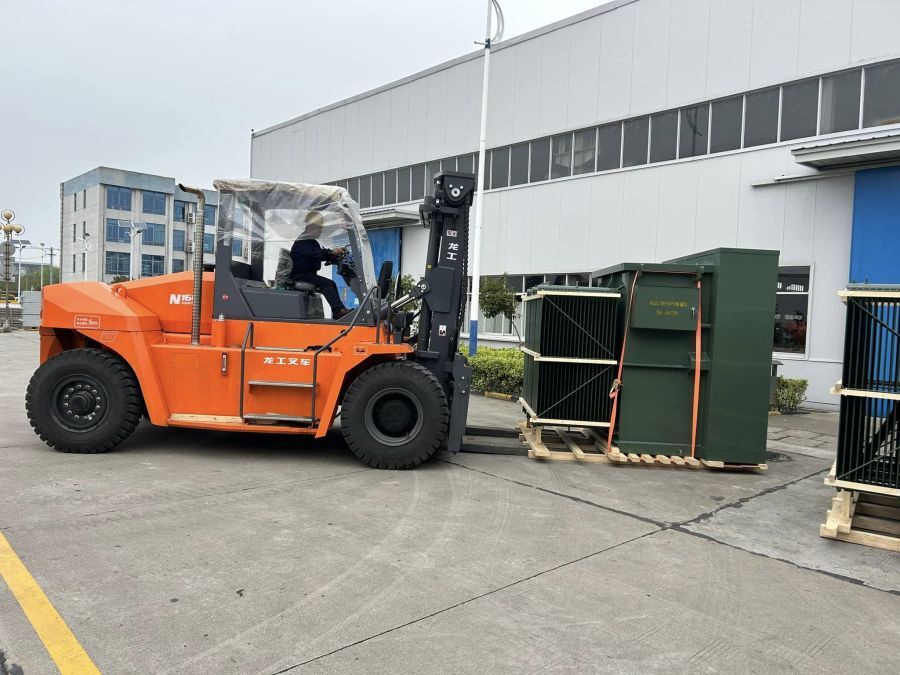
Choosing a Pad Mounted Transformer
Choosing a Pad Mounted Transformer
A pad mounted transformer is an essential component of power distribution systems. It steps down the high voltage from an overhead power line and distributes it to a lower level suitable for end-use. This helps in ensuring that electrical appliances and gadgets receive the correct amount of electricity, making them safe to use. It also ensures that the degree of voltage that is delivered to consumers stays within authorized values, reducing the risk of equipment damage and power outages.
Despite the fact that these transformers are vital to the operation of our electrical infrastructure, they also pose a significant danger to people. In an effort to minimize the potential risks of unintended contact with live components, these transformers are built in durable enclosures that restrict unauthorized access and tampering. Moreover, the protective structures shield them from environmental hazards like UV radiation and rain, enhancing public safety.
Aside from the protective structures, pad mounted transformers are equipped with a number of devices for their proper operation and monitoring. These include a front cabinet that houses incoming and outgoing cable connections, as well as several devices for operations and monitoring. Depending on the model, this cabinet can contain either special bayonet-type fuses or under-oil rotary-type load break switches. This combination of fusing and switching capabilities in one unit makes pad mounted transformers ideal as standalone options in locations that do not have enough room for additional switchgear.
The fuses inside the pad mounted transformer are designed to disconnect from the primary feeder wire when a fault occurs. This allows the operator to shut off power to the entire circuit without causing damage to the transformer. Fuses also play a key role in maintaining the integrity of the insulating oil by preventing overheating.
In addition, a pad-mounted transformer can be cooled using forced or natural air. It is important to consider these factors when choosing a pad-mounted transformer, so that you can be sure that it will meet your specific power needs for the long term. By doing so, you can balance initial investments with the need for operational efficiency and regulatory adherence.
Moreover, you need to make sure that your pad-mounted transformer has the right capacity for your electrical distribution system. To do this, you will need to evaluate the total load of all of your connected appliances. If the load is too large, then you will need to install a larger transformer.
Once you have determined the required capacity, you will need to choose a location for your pad-mounted transformer. It is crucial to choose a spot that is both safe for maintenance crews and does not obstruct pedestrian or vehicle traffic. Lastly, you will need to install the appropriate warnings and high-voltage indicators near the pad mounted transformer. In addition, you will need to keep detailed records of the installation process for future reference and compliance purposes.
0users like this.
