
Industry News
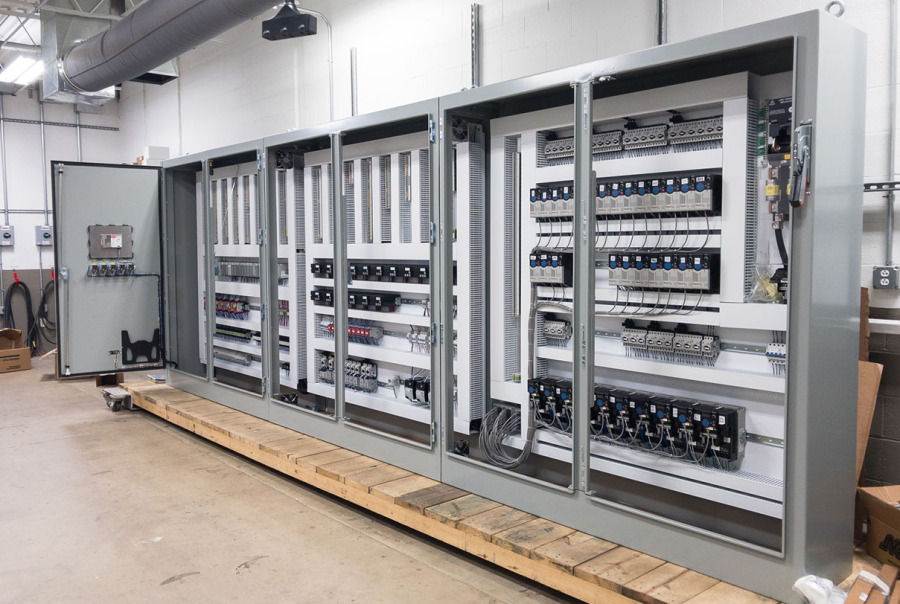
Quality Assurance Testing for Electrical Control Panels
Quality Assurance Testing for Electrical Control Panels
An electrical control panel is the focal point for controlling machines, equipment or entire electrical systems. It requires a high degree of precision and a thorough understanding of electrical engineering to be designed and built correctly.
If a control panel is not properly configured, it can lead to serious problems including equipment damage, inventory loss, fires and even threats to customers or employees. In order to avoid these types of costly mistakes, it is essential that an electrical control panel receives regular quality assurance testing and factory acceptance testing to ensure that the components and wiring have been correctly matched and installed.
The main constituents of a control panel include an enclosure, circuit breakers, power contactors, relays and fuses. The enclosure is usually made of a durable material like steel or aluminum, and safeguards the internal components from physical damage. Circuit breakers help prevent electric fires by tripping and interrupting current flow when they sense that a circuit is overloaded. Power contactors and relays control the flow of electricity through the system by switching it on and off as needed. Fuses are used to protect the system from excessive voltage, preventing it from overheating and potentially damaging downstream circuits.
In addition to these vital safety features, electrical control panels must be able to handle the electrical load of the machinery and equipment they are meant to control. This means that they must be designed according to the specific electrical requirements of each industry, assessing factors such as total loads and equipment types. They must also be designed to withstand the environmental conditions where they will be placed, such as heat, moisture and vibration.
An important consideration for the design of an electrical control panel is the layout and sizing of its components. This includes the placement of DIN rails, wiring ducts and other structural components to support the necessary wiring. It also involves developing a comprehensive bill of materials (BOM) for each component, which helps ensure that all required parts are included in the build and reduces errors during assembly.
After the assembly is complete, all components are wired together using proper wiring practices to reduce the risk of hazards. For example, the color of each wire must correspond with its voltage and be labelled according to standards. In addition, all wiring must be insulated and routed through appropriate ducts to avoid unnecessary voltage exposure, overheating and potential short circuiting. This process is supervised and verified by the manufacturer, to catch any errors that could impact safety and functionality. Finally, the electrical control panel is subjected to rigorous factory acceptance testing and quality assurance tests (FATs) before it is ready for installation on-site. These testing processes help to ensure that the electrical control panel will function as intended once it is installed, reducing the need for expensive on-site repairs or replacements. The right electrical control panel is an integral part of any industrial operation, so it is important to consult with a reputable manufacturer to ensure that yours will be designed and manufactured to the highest standards.
0users like this.
